




Best Season to Elope in Iceland — Spring, Summer & Fall Compared
One of the most common questions I get from couples planning an Iceland elopement is: “When should we go?”
It’s a genuinely important decision — the season you choose affects everything. The light. The crowds. The landscape colors. The weather. What you wear. What your photos look like. Iceland in June and Iceland in September are two completely different visual experiences, and both are extraordinary in their own ways.
Here’s my honest guide to each season — what it’s actually like, what the photos look like, and which couples each one suits best. I photograph Iceland elopements in spring, summer, and fall, and I have strong feelings about each.
(One note before we begin: I don’t recommend deep winter Iceland elopements for non-locals. Extremely limited daylight — sometimes as few as 4–5 usable hours — combined with challenging road conditions and unpredictable weather makes it a difficult environment for the kind of full, intentional elopement experience I believe couples deserve. If you’re dreaming of something ethereal and still, spring or fall will give you that without the logistical challenges of winter.)
Spring — April through May
The Light
Spring in Iceland is one of the most underrated seasons for photography. The sun is lower in the sky than in high summer, which means the golden hour light is softer, warmer, and lasts longer — exactly the kind of light that makes elopement photos extraordinary.
The Landscape
Spring is arguably the most dramatic time on the South Coast. Snow is melting from the mountains, which means waterfalls like Seljalandsfoss and Skógafoss are at their most powerful — roaring with snowmelt and producing more mist and rainbow effect than any other time of year. The lupine wildflowers begin blooming in May, turning the roadsides and hillsides purple and blue in a way that is breathtaking.
Thingvellir and the Golden Circle are lush and green, with the rivers running clear and full.

The Crowds
Significantly fewer tourists than summer. This means more private experiences at locations like Reynisfjara, Seljalandsfoss, and Thingvellir — more space to breathe, more moments that feel genuinely intimate.
The Weather
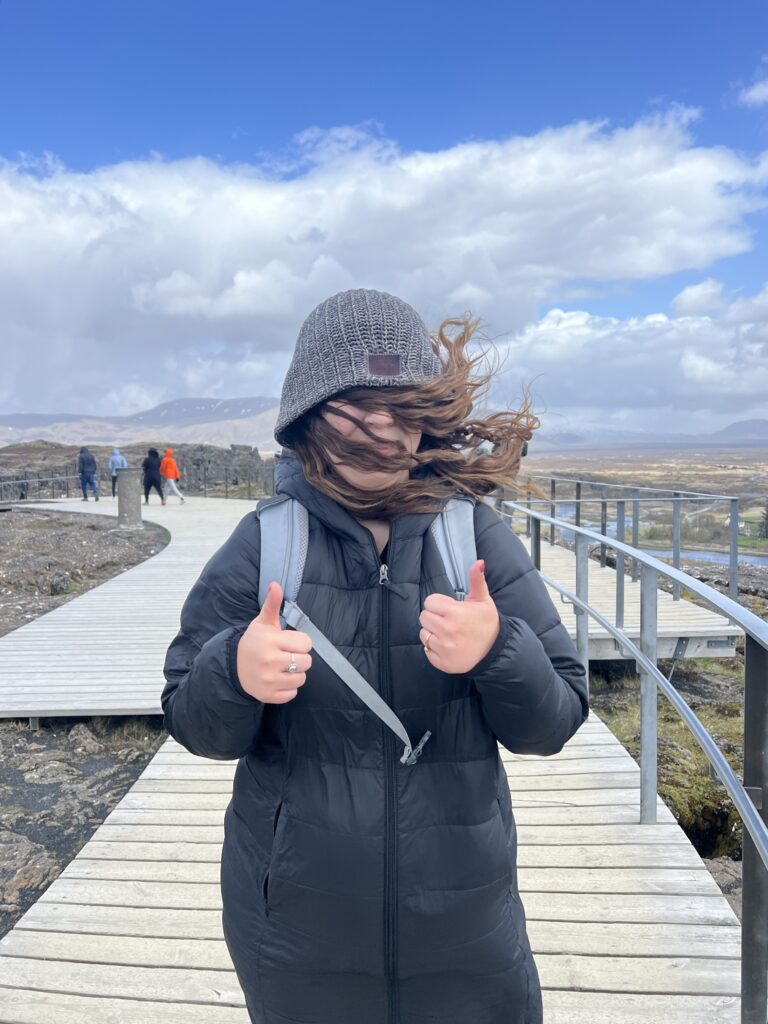
Unpredictable. This is the honest truth about spring in Iceland. You might have a warm, sunny day with perfect visibility. You might have sideways rain/snow and 40mph wind. Often you get both on the same day. Iceland weather is famously changeable at all times of year, but spring especially requires flexibility and a good rain jacket (and layers!). There may be some snow still melting.




What Your Photos Look Like
Dramatic. The rushing waterfalls, the vivid green landscapes, the soft golden light, the wildflowers starting to appear — spring Iceland photos have a raw, alive quality that is completely unique.
Best for: Couples who want powerful waterfalls, fewer crowds, softer light, and aren’t bothered by the possibility of rain. Outdoor adventurers who love the feeling of having a landscape almost to themselves.
Summer — June through August
The Light
Summer in Iceland brings the midnight sun — in late June, the sun barely dips below the horizon, meaning you have soft, golden, directional light for nearly 24 hours. The magic hour isn’t an hour — it’s an entire evening and morning blended together. For photography, this is extraordinary. You can photograph at 10pm in the same beautiful light as 7am! (This helps a TON if you are flexible to avoid crowds)
The Landscape
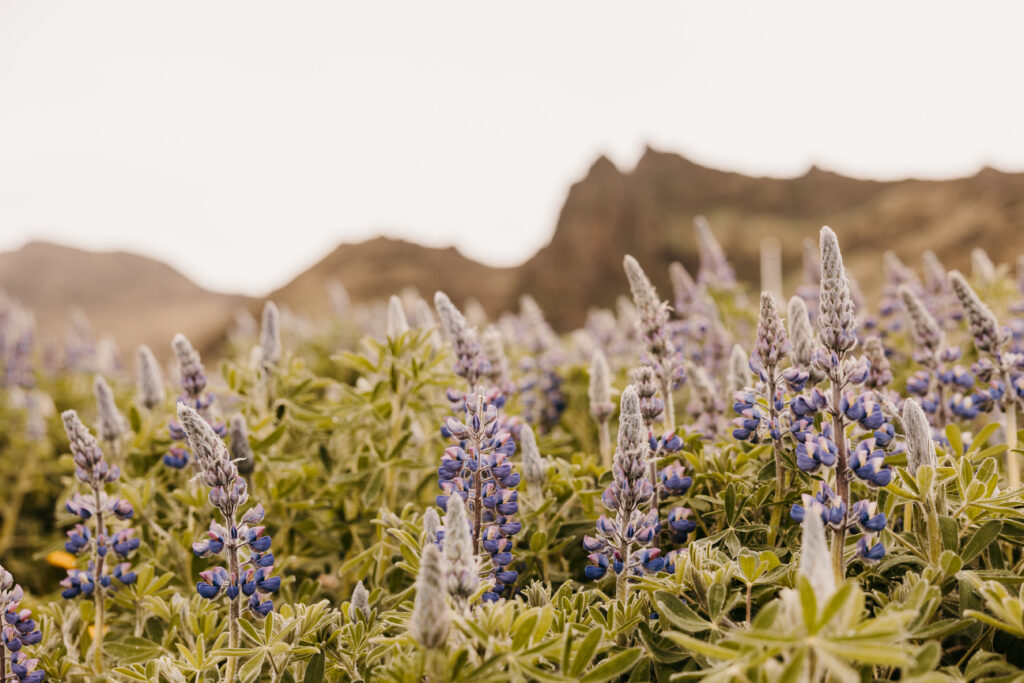
Summer is when Iceland is at its most lush and green. Wildflowers everywhere. The highlands accessible. The waterfalls flowing. The landscape is soft and warm and beautiful in a way that feels almost unreal — it genuinely looks like another planet, but a kind one.
The Crowds
This is the trade-off. Summer is peak season in Iceland and the main tourist sites — Seljalandsfoss, Skógafoss, Reynisfjara, the Golden Circle stops — are at their most visited. This doesn’t make them unworkable, but it requires strategy: early morning visits, choosing timing carefully, and knowing the less-visited alternatives to the most famous spots. It is popular for a reason.
The Weather
The most stable weather of any season in Iceland — though “stable” in Iceland still means expect the unexpected. Summer temperatures range from about 10–15°C (50–59°F), occasionally warmer. Rain is always possible. Wind is consistent. But sunny days are genuinely glorious and the extended daylight means weather windows are larger.
What Your Photos Look Like
Warm, lush, golden. The midnight sun creates this horizontal golden light that wraps everything beautifully. The green landscapes pop. The waterfalls are stunning. Summer Iceland photos have a warmth and luminosity that is hard to achieve any other time of year.
Best for: Couples who want the most daylight flexibility, the warmest and most lush landscapes, and maximum golden hour time. Also best for couples incorporating the highlands, lupine wildflower fields, or longer hiking days.
Fall — September through Mid-October
The Light
Fall is my personal favorite season in Iceland for photography — and I’ll tell you why. The sun is lower, the light is warmer and more directional, and the quality of the golden hour light in September rivals anywhere I’ve ever photographed. There’s a richness to fall Iceland light that summer doesn’t quite have.
The Landscape
This is where fall truly shines. The first snow dusts the mountain peaks while the valleys are still golden and green — it’s the “fire and ice” contrast that Iceland is famous for, and fall is when it’s most literal. The birch trees turn yellow and gold. The moss is vivid green against the dark volcanic rock. And if you’re lucky, the northern lights begin appearing in clear skies from mid-September onward.
The Crowds
Fall brings significantly fewer tourists than summer. Locations that feel crowded in July feel intimate in September. Reynisfjara at sunrise in September might have just a handful of people. Seljalandsfoss in the evening can feel nearly private. For couples who want their elopement experience to feel truly personal, fall delivers.
The Weather
More changeable than summer, but completely manageable with the right preparation. Temperatures range from about 2–10°C (35–50°F). Rain is more frequent. The key is layering intelligently and building flexibility into your plan — which you should be doing for any Iceland trip regardless of season.
What Your Photos Look Like
Rich, golden, dramatic. The warm light, the contrasting colors of yellow-gold foliage and dark volcanic rock, the first snow on the peaks, the possibility of northern lights over the horizon — fall Iceland photos have a depth and drama that is extraordinary.
Best for: Couples who want the richest light, the most dramatic landscape contrasts, the fewest crowds, and the possibility of a northern lights experience. My personal recommendation for most couples.
Season Comparison at a Glance
| Spring | Summer | Fall | |
|---|---|---|---|
| Daylight hours | 14–18 hrs | 20–24 hrs | 12–15 hrs |
| Light quality | Soft, golden | Warm, luminous | Rich, dramatic |
| Waterfall power | Maximum | High | Moderate-high |
| Crowds | Low | High | Low-moderate |
| Wildflowers | Ending bloom | Full bloom | Gone |
| Snow on peaks | Possible | Rare | Likely |
| Northern lights | Possible late May | Very rare | Yes, from mid-Sept |
| Weather stability | Unpredictable | Most stable | Changeable |
| My recommendation | Great choice | Great choice | Favorite |
My Honest Recommendation
If you have any flexibility at all, September is the sweet spot — fall light, low crowds, northern lights possible, first snow on the peaks, the South Coast and Golden Circle looking extraordinary in their most dramatic seasonal colors.
If September doesn’t work, June or July for the midnight sun experience, or mid-end of May for spring waterfalls and wildflowers, are both wonderful choices!
The most important thing is choosing a season that feels right for you — your comfort with weather, your aesthetic preferences, and what you want your elopement day to feel like.
Fill out my contact form → and let’s talk through which season makes the most sense for your Iceland elopement.
More from the Iceland series:





GOALS!!! I would love to go there. Never wanted to go until after hearing your experience going and then seeing others I know who went.